
Hemoglobin A1C, Insulin and Glucose Panel Most Popular
- $205.16
- $22.97
- Save: 88.80%
-
- Promotion Code
- ULTA1EC6
If you don't add the test to your cart on this page use the promotion code above to receive the discounted price.
The following is a list of what is included in the item above. Click the test(s) below to view what biomarkers are measured along with an explanation of what the biomarker is measuring.
Glucose
Also known as: A1c, Glycated Hemoglobin, Glycohemoglobin, Glycosylated Hemoglobin, HA1c, HbA1c, Hemoglobin A1c, Hemoglobin A1c HgbA1C, Hgb A1c
HEMOGLOBIN A1C
Also known as: Insulin (fasting)
Insulin
The Hemoglobin A1C, Insulin and Glucose Panel panel contains 3 tests with 3 biomarkers .
Brief Description: The Hemoglobin A1c, Insulin, and Glucose Panel is a comprehensive test used to evaluate blood sugar control, insulin function, and potential glucose metabolism disorders. This panel is crucial for diagnosing and monitoring diabetes and pre-diabetes conditions.
Collection Method: Blood Draw 
Specimen: 1 mL Whole Blood  , 1 mL SST Serum
 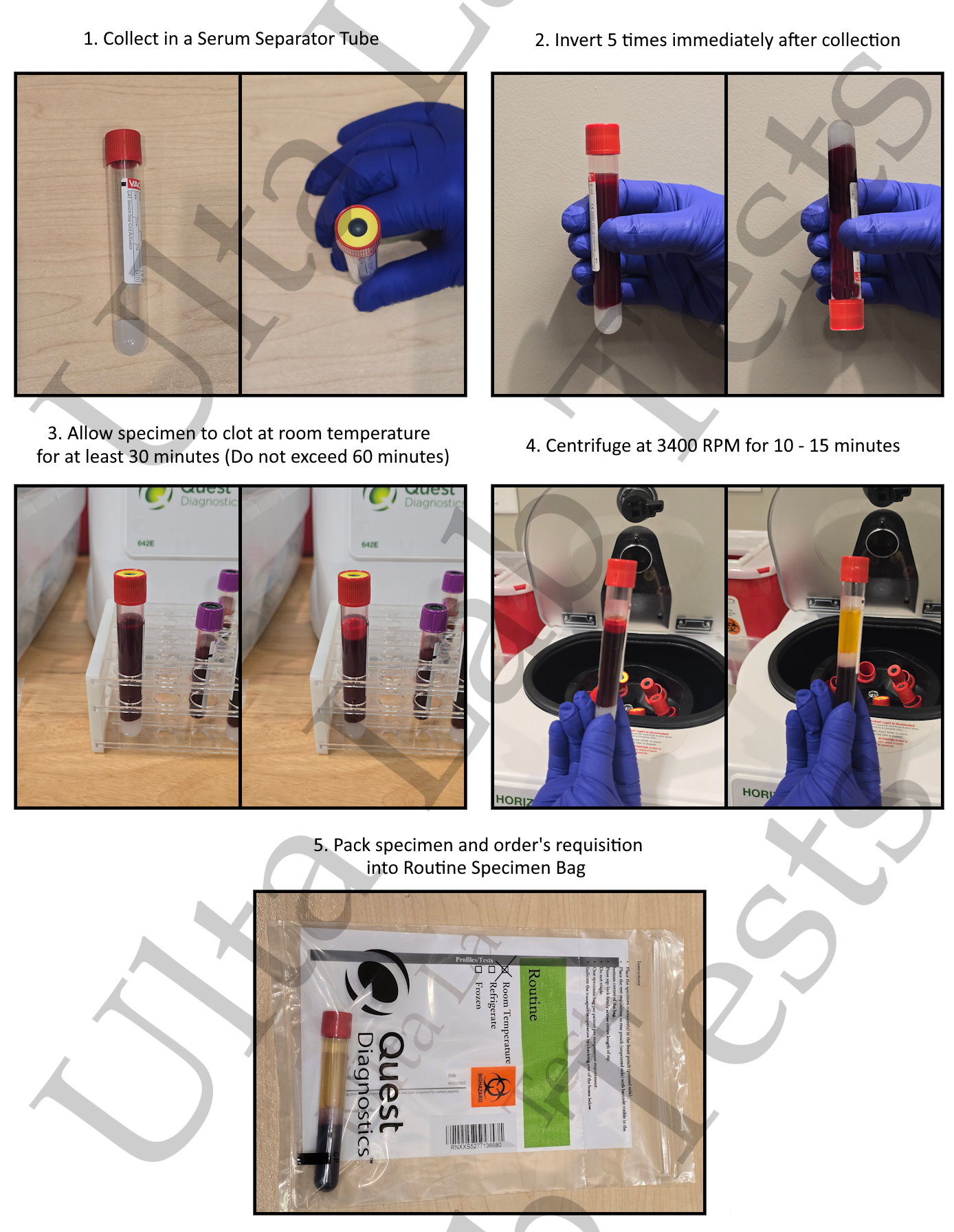 , and 1 mL Refrigerated Red Top Serum
Test Preparation: Fasting required. No food or drinks other than water for at least 8 hours before collection.

When and Why It May Be Ordered
This panel may be ordered when a patient shows symptoms of diabetes or for monitoring patients with known diabetes. It's also used in assessing individuals at risk of developing diabetes, such as those with obesity, high blood pressure, or a family history of diabetes.
What the Panel Checks For
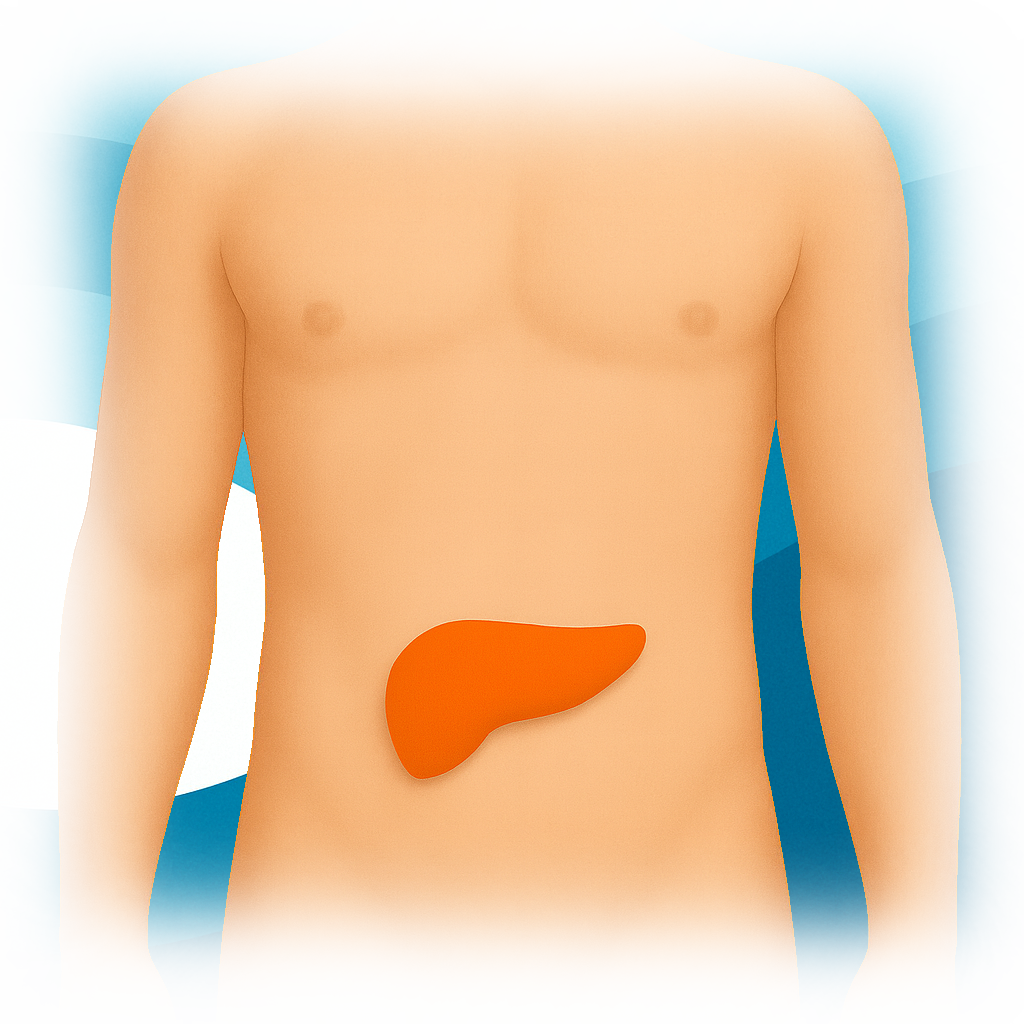 Glucose measures the amount of sugar in your blood at the time of collection, providing an immediate snapshot of how your body is managing blood sugar levels. Glucose is the primary energy source for your body’s cells, and its regulation depends on the balance between dietary intake, insulin release, and cellular uptake. Elevated glucose levels may suggest insulin resistance or diabetes, while low levels can indicate hypoglycemia or other metabolic imbalances.
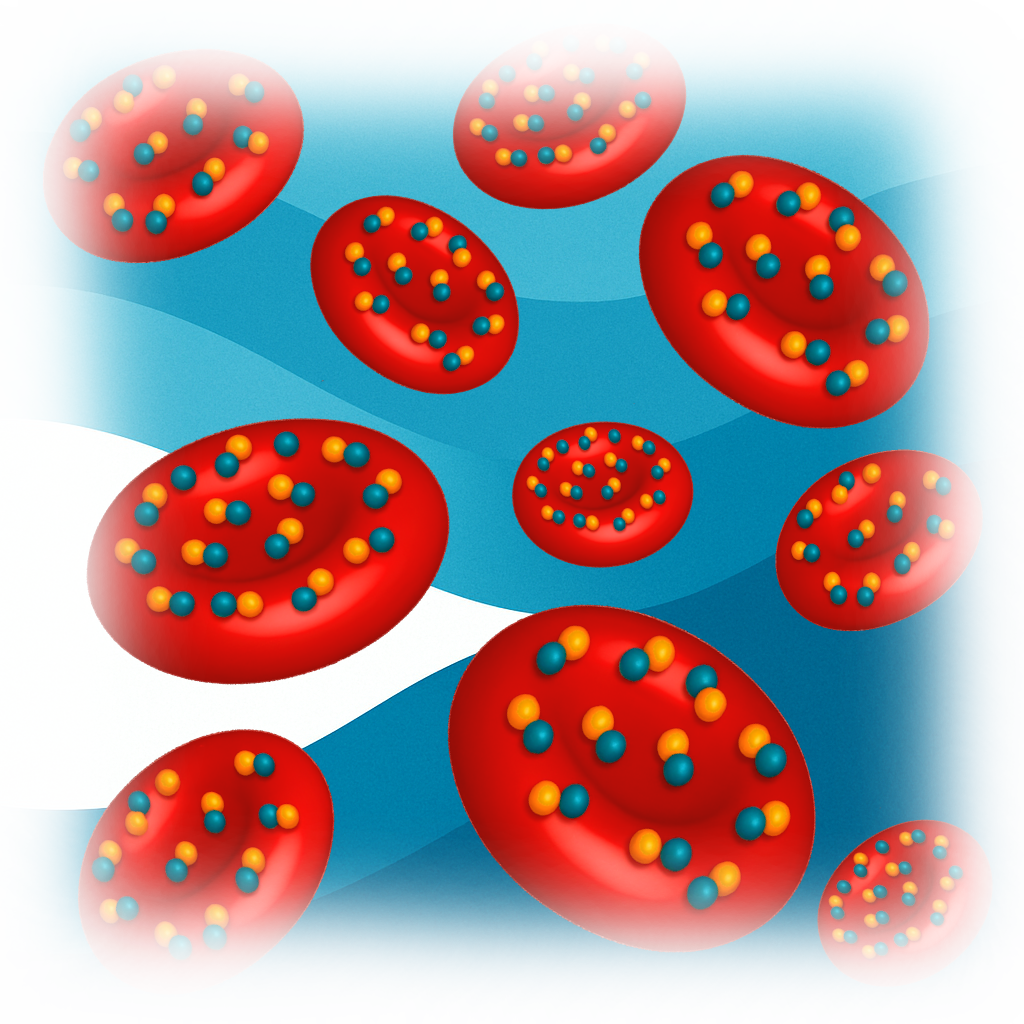 Hemoglobin A1c (HbA1c) reflects your average blood sugar levels over the past two to three months by measuring the percentage of hemoglobin molecules in red blood cells that have glucose attached to them. Because red blood cells live for about 90 days, this test provides a long-term view of blood sugar control and helps assess the risk of diabetes-related complications. Higher A1c values indicate that blood glucose has been elevated for an extended period, which can contribute to nerve damage, kidney issues, and cardiovascular problems.
Insulin measures the concentration of insulin, the hormone responsible for helping cells absorb and use glucose for energy. This test helps evaluate how efficiently your pancreas is producing insulin and how your body is responding to it. Elevated insulin levels may indicate insulin resistance—a condition where cells become less responsive to insulin—while low levels can signal decreased pancreatic function or insulin deficiency.
Together, the Hemoglobin A1c, Insulin, and Glucose Panel provides a comprehensive assessment of blood sugar balance and insulin activity. It helps identify early signs of insulin resistance, prediabetes, or diabetes, and offers valuable insight into how effectively your body maintains stable blood glucose over time.
Conditions or Diseases Checked
The panel helps in diagnosing and managing:
- Type 1 and Type 2 Diabetes: By evaluating long-term glucose control (A1c) and the body's current insulin production and glucose levels.
- Prediabetes: By identifying elevated blood sugar levels that are not yet high enough to be classified as diabetes.
- Gestational Diabetes: In pregnant women to monitor blood glucose levels.
- Insulin Resistance and Metabolic Syndrome: By measuring the body's response to insulin.
Use of Results by Healthcare Professionals
Healthcare professionals use the results to:
- Diagnose diabetes or prediabetes based on A1c and glucose levels.
- Assess insulin production and function in relation to blood sugar levels.
- Tailor treatment plans for diabetes, including medication, diet, and lifestyle changes.
- Monitor the effectiveness of diabetes management strategies over time.
The Hemoglobin A1c, Insulin, and Glucose Panel is an essential tool in diagnosing and managing diabetes and other related metabolic disorders. It provides valuable insights into an individual's glucose control, insulin production, and potential risks for developing diabetes. Accurate and timely interpretation of these tests by healthcare professionals is vital for effective diabetes management and prevention of diabetes-related complications.
We advise having your results reviewed by a licensed medical healthcare professional for proper interpretation of your results.