
Hemoglobin A1c and Glucose Panel
- $140.46
- $24.95
- Save: 82.24%
The following is a list of what is included in the item above. Click the test(s) below to view what biomarkers are measured along with an explanation of what the biomarker is measuring.
Glucose
Also known as: A1c, Glycated Hemoglobin, Glycohemoglobin, Glycosylated Hemoglobin, HA1c, HbA1c, Hemoglobin A1c, Hemoglobin A1c HgbA1C, Hgb A1c
HEMOGLOBIN A1C
The Hemoglobin A1c and Glucose Panel panel contains 2 tests with 2 biomarkers .
Brief Description: The Hemoglobin A1c and Glucose panel is a combination of two essential blood tests that provide valuable information about an individual's blood sugar levels over both short and extended periods. This panel helps healthcare professionals assess how well a person's blood sugar is being managed and can indicate the risk or presence of diabetes.
Collection Method: Blood Draw 
Specimen: 1 mL Whole Blood  and 1 mL SST Serum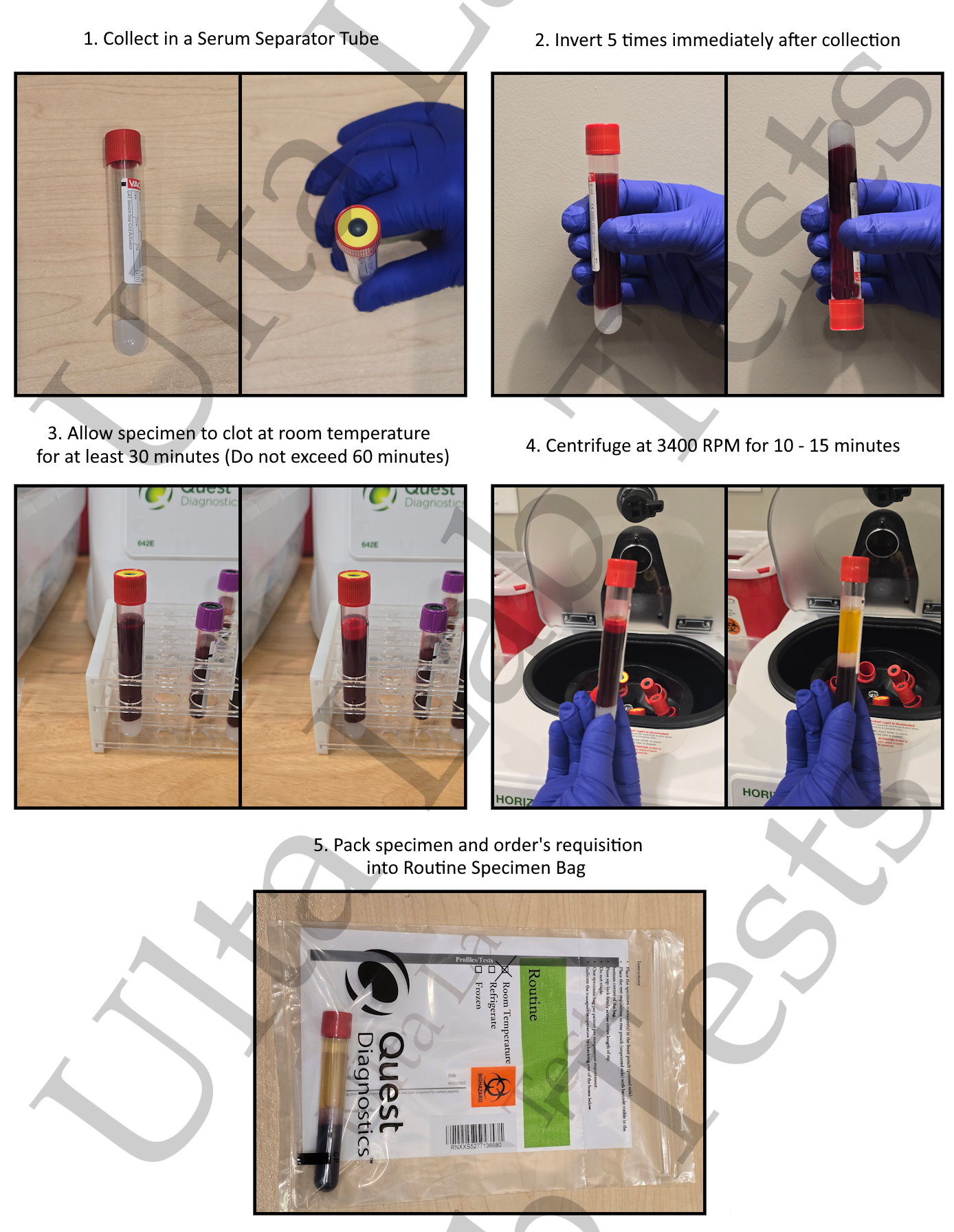
Test Preparation: Fasting required. No food or drinks other than water for at least 8 hours before collection.

When and Why the Hemoglobin A1c and Glucose Panel May Be Ordered
The Hemoglobin A1c and Glucose panel is commonly ordered:
-
Diagnosis of Diabetes: For individuals who present symptoms of diabetes or are at risk due to factors like obesity, family history, or other related conditions.
-
Monitoring of Diabetes Management: For those diagnosed with diabetes to monitor how well their blood sugar levels are being controlled over time. It's typically ordered at regular intervals for this purpose.
-
Risk Assessment: In individuals considered at high risk for developing diabetes, such as those with polycystic ovary syndrome (PCOS), a history of gestational diabetes, or metabolic syndrome.
-
Evaluation of Treatment Plans: To evaluate the efficacy of medications or lifestyle changes aimed at regulating blood sugar.
What the Hemoglobin A1c and Glucose Panel Checks For
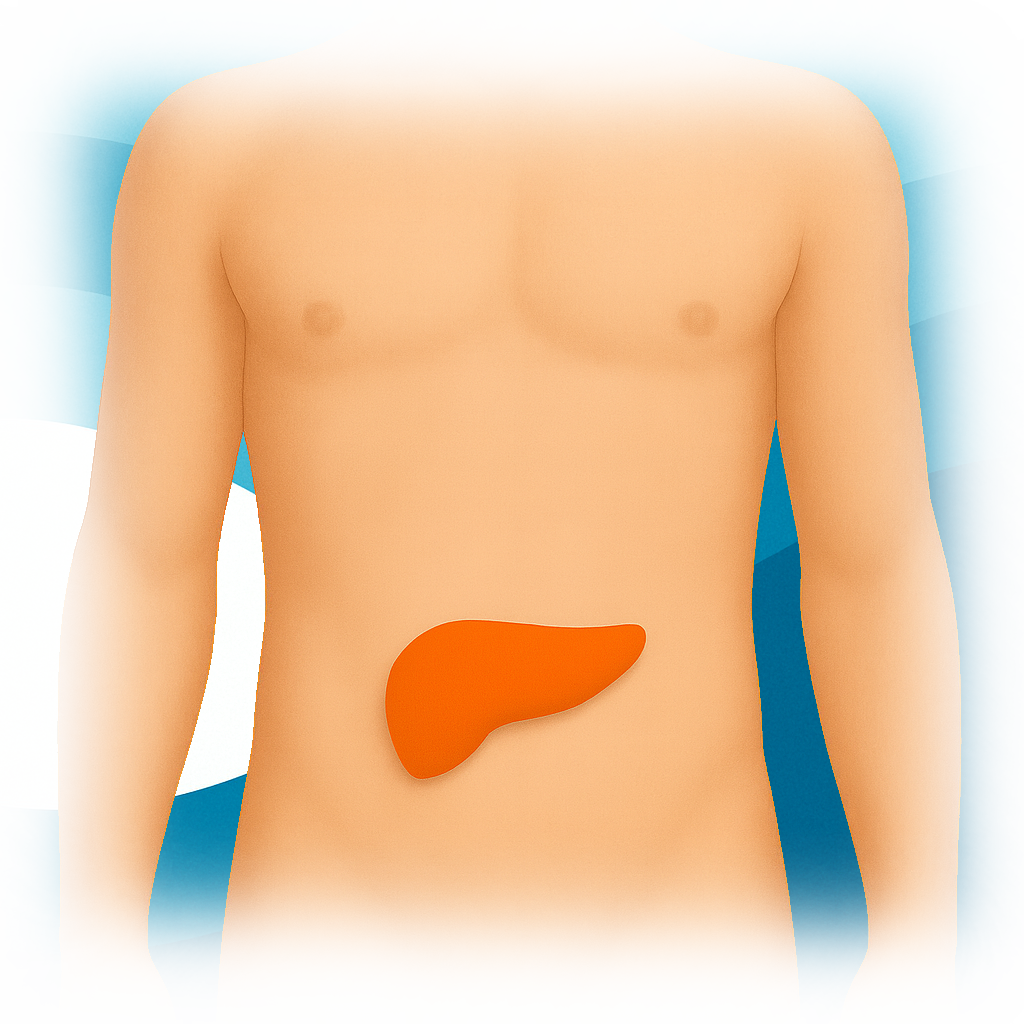 Glucose measures the current level of sugar in your blood, which is the body’s primary source of energy. This test reflects how well your body is regulating blood sugar at the time of collection. Elevated glucose levels can indicate impaired insulin function or diabetes, while low levels may suggest hypoglycemia or other metabolic imbalances. Because glucose levels can fluctuate throughout the day based on meals, stress, or activity, it provides an immediate snapshot of blood sugar control.
 Hemoglobin A1c (HbA1c) measures the percentage of hemoglobin—the oxygen-carrying protein in red blood cells—that has glucose attached to it. Since red blood cells live for about three months, this test provides an average of your blood sugar levels over the previous two to three months. It helps identify long-term trends in glucose control, making it a key marker for diagnosing diabetes and monitoring how well blood sugar is being managed over time. Higher A1c values indicate prolonged elevations in blood glucose, which may increase the risk of complications such as nerve damage, kidney disease, and cardiovascular problems.
Together, the Hemoglobin A1c and Glucose Panel gives both a short-term and long-term view of blood sugar balance. This combination helps detect early signs of insulin resistance or diabetes, evaluate the effectiveness of treatment plans, and guide lifestyle or medication adjustments for better metabolic and overall health.
Other Lab Tests Often Ordered Alongside a Hemoglobin A1c and Glucose panel
When a Hemoglobin A1c (HbA1c) and Glucose panel is ordered, it typically indicates an assessment for diabetes or prediabetes. These tests help in evaluating long-term glucose control and current blood sugar levels. To provide a comprehensive overview of diabetes management and its complications, other tests are often included. Here are some tests commonly ordered alongside this panel:
-
Fasting Lipid Profile:
- Purpose: To measure cholesterol levels, including total cholesterol, LDL (low-density lipoprotein), HDL (high-density lipoprotein), and triglycerides.
- Why Is It Ordered: Diabetes is a risk factor for cardiovascular disease, and lipid levels are important in assessing overall cardiovascular health.
-
Complete Blood Count (CBC):
- Purpose: To evaluate overall blood health, including red and white blood cells, and platelets.
- Why Is It Ordered: To detect conditions like anemia, which can be more common in people with diabetes.
-
Urine Albumin (Microalbumin) and Creatinine Ratio:
- Purpose: To check for the presence of small amounts of albumin in the urine.
- Why Is It Ordered: To assess for early signs of kidney damage, a complication of diabetes.
-
Serum Creatinine and Estimated Glomerular Filtration Rate (eGFR):
- Purpose: To assess kidney function.
- Why Is It Ordered: Diabetes can lead to kidney damage over time, and monitoring kidney function is an important part of diabetes care.
-
Liver Function Tests:
- Purpose: To evaluate liver enzyme levels and liver function.
- Why Is It Ordered: Diabetes increases the risk of fatty liver disease and other liver conditions.
-
Thyroid Function Tests (TSH, Free T4):
- Purpose: To assess thyroid gland function.
- Why Is It Ordered: Thyroid disorders are more common in people with diabetes, especially type 1 diabetes.
-
C-Peptide Test:
- Purpose: To measure the level of C-peptide, a byproduct of insulin production.
- Why Is It Ordered: To help distinguish between type 1 and type 2 diabetes and assess insulin production in people with diabetes.
-
Insulin Levels (fasting and/or postprandial):
- Purpose: To measure the amount of insulin in the blood.
- Why Is It Ordered: To evaluate insulin production and resistance, especially in type 2 diabetes or in the evaluation of hypoglycemia.
-
Fructosamine:
- Purpose: To provide an indication of average blood glucose levels over the past 2-3 weeks.
- Why Is It Ordered: To complement HbA1c for patients needing shorter-term monitoring or those with conditions affecting HbA1c reliability.
These tests, when ordered alongside a Hemoglobin A1c and Glucose panel, provide a comprehensive assessment of diabetes management, risk factors for diabetes-related complications, and overall health status. They are crucial for diagnosing diabetes, monitoring treatment effectiveness, and managing long-term health in individuals with diabetes. The specific combination of tests will depend on the individual's medical history, current health status, and diabetes management plan.
Conditions or Diseases the Hemoglobin A1c and Glucose Panel Can Check For
-
Diabetes Mellitus: Persistently elevated levels of glucose and hemoglobin A1c can indicate the presence of diabetes mellitus, a chronic condition that affects how the body processes blood sugar.
-
Prediabetes: If the results are higher than normal but not in the diabetic range, it may indicate a state of prediabetes, where blood sugar levels are higher than they should be but not high enough yet to be diagnosed as diabetes.
-
Reactive Hypoglycemia: Low glucose levels may indicate this condition, which is a drop in blood sugar that occurs a few hours after eating a meal.
In conclusion, the Hemoglobin A1c and Glucose panel is a crucial diagnostic tool in the realm of metabolic and endocrine health. By assessing both short-term and long-term blood sugar levels, this panel provides comprehensive insights into an individual's glycemic status, aiding in early diagnosis, management, and treatment optimization for conditions related to blood sugar imbalances.
We advise having your results reviewed by a licensed medical healthcare professional for proper interpretation of your results.