
Hormone Insights Genetic Test
The UltaGenomics Hormone Insights Genetic Test explores selected inherited associations involving hormone metabolism, thyroid-related traits, and stress-response pathways. Your report provides educational context for discussions about hormone health. It does not measure current hormone levels, diagnose an imbalance, or determine whether you need hormone therapy, medication, or supplements.
- $366.48
- $91.95
- Save: 74.91%
The following is a list of what is included in the item above. Click the test(s) below to view what biomarkers are measured along with an explanation of what the biomarker is measuring.
The Hormone Insights Genetic Test test contains 1 test .
Explore Your DNA's Role in Hormone Health
The UltaGenomics Hormone Insights Genetic Test explores selected inherited traits associated with hormone production, metabolism, and regulation. It offers insight into genetic factors related to estrogen and testosterone meta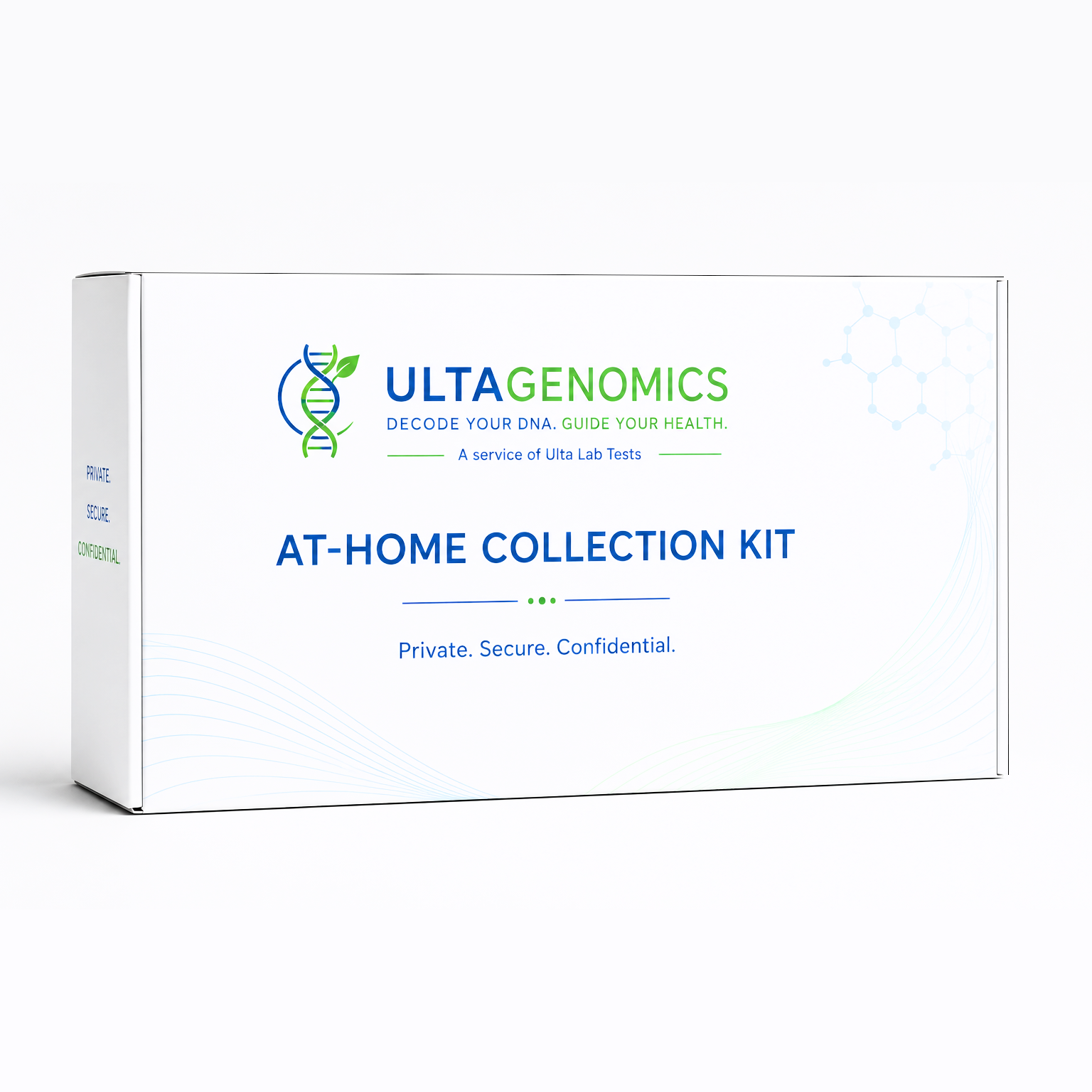 bolism, thyroid-related traits, and stress-response pathways.
Learning about these traits can help you better understand one part of your biology and prepare informed questions for your healthcare provider.
This test explores genetic tendencies; it does not measure your current hormone levels or determine whether you have a hormone imbalance. Your symptoms, medical history, medications, and appropriate blood tests provide additional information about your current health.
The test examines selected genetic variants rather than every inherited cause of a health condition. Research findings may apply differently across populations and genetic ancestries, and an association may not provide information that changes your care.
What Does the Hormone Insights Genetic Test Explore?
Estrogen and Testosterone Metabolism
Explore selected genetic associations related to how the body processes estrogen and testosterone. These insights describe inherited traits rather than the amount of either hormone currently circulating in your blood.
Hormone Production and Regulation
Learn about inherited differences associated with pathways involved in hormone production and regulation. Genetic findings offer context without establishing that a pathway is functioning abnormally.
Thyroid-Related Traits
Explore genetic associations involving thyroid function. Current thyroid activity is assessed using clinical information and, when appropriate, blood tests such as TSH and free T4.
Stress-Response Pathways
Learn about selected inherited traits associated with the body's hormonal response to stress. These findings do not measure your current stress level or cortisol concentration.
Why Genetics Are One Part of Hormone Health
Hormone health reflects more than DNA. Age, sleep, nutrition, medical conditions, medications, and life stages also influence how you feel and how your body functions.
A genetic tendency does not guarantee a particular outcome. The value of these insights is in understanding selected inherited factors and discussing them alongside your personal health history.
Genetic categories do not determine whether hormone therapy will benefit you, whether it is safe, or what dose to use. This report also does not diagnose fertility problems or establish reproductive potential. Those questions require an appropriate clinical evaluation.
Who May Be Interested in This Test?
This test may interest adults who want to:
- Learn about inherited traits associated with hormone-related pathways.
- Understand how genetic insights differ from hormone blood test results.
- Bring additional genetic information to a discussion with a healthcare provider or genetic counselor.
If you have persistent fatigue, irregular periods, changes in sexual function, or other unexplained symptoms, arrange a clinical evaluation. This genetic wellness test does not establish the cause of those symptoms.
Before You Order
Review the sample report to understand the topics and level of detail you may receive. Read the consent and privacy information, including how your sample and genetic data may be stored, used, or shared. Ask about anything that is unclear before deciding whether the test fits your goals.
How It Works
- Order your test. Select the Hormone Insights Genetic Test through Ulta Lab Tests.
- Receive your collection kit. A swab collection kit is mailed with instructions.
- Collect and return your sample. Follow the kit's preparation, collection, and return directions.
- Review your genetic insights. Discuss questions and potential next steps with your healthcare provider.
The genetic sample is collected with the home kit; do not visit a patient service center for that collection. Blood tests ordered separately have their own collection and preparation requirements.
Complementary Lab Tests You May Also Consider
Genetic testing explores inherited traits. Blood testing measures specific hormones or related markers at the time of collection. When appropriate, these different types of information can support a more informed discussion about your health.
The following tests are available separately through Ulta Lab Tests. They are optional, are not included in the Hormone Insights Genetic Test, and are not all necessary for every person. Choose tests that address your symptoms or health questions with guidance from your healthcare provider.
For Current Thyroid Function
Measures thyroid-stimulating hormone and free thyroxine to help evaluate thyroid function. It may be useful when investigating unexplained fatigue, weight changes, or sensitivity to heat or cold. These measurements provide information about current thyroid function that a genetic trait report cannot provide.
For Testosterone Levels and Hormone Availability
Testosterone Total and Free and Sex Hormone Binding Globulin Test
Evaluates total testosterone, free testosterone, and sex hormone-binding globulin, a protein that binds sex hormones. A provider may consider it when evaluating symptoms of low testosterone or excess androgen activity, such as reduced sexual desire, increased facial or body hair, or certain menstrual changes.
For Estrogen, Ovulation, and Reproductive Hormone Signaling
Measures estradiol, a major form of estrogen. It can help evaluate ovarian function, menstrual changes, or other estrogen-related concerns. Results depend on menstrual cycle timing, menopause status, and hormone use. Your provider can help choose the appropriate testing method when very low estrogen levels are expected.
Measures progesterone in the blood. When timed appropriately within the menstrual cycle, it can help assess whether ovulation has occurred. The collection date should reflect your cycle and the question being evaluated, because a randomly timed result may be difficult to interpret.
Measures follicle-stimulating hormone and luteinizing hormone, two pituitary hormones involved in reproductive function. These results may help evaluate irregular or absent periods, fertility concerns, or the hormonal signals involved in testosterone production. They are interpreted alongside symptoms and other findings.
For Additional Hormone Questions
Measures DHEA sulfate, an androgen produced mainly by the adrenal glands. It may help evaluate signs of androgen excess, such as increased facial or body hair, acne, or menstrual irregularity. DHEA-S is not a general measure of everyday stress.
Measures prolactin, a hormone made by the pituitary gland. Testing may be useful when evaluating unexplained milk production, absent or irregular periods, fertility concerns, or certain sexual-function symptoms. An elevated result may require repeat testing or further evaluation to identify its cause.
Getting Meaningful Blood Test Results
Hormone levels can vary with time of day, menstrual cycle phase, pregnancy, medications, and hormone therapy. Testosterone testing is commonly collected in the morning, and an unexpectedly low result may need confirmation with repeat testing.
Tell your provider about medicines, birth control, hormone products, and supplements you use. Follow the collection and preparation instructions for each test. Do not stop prescribed treatment without your provider's guidance.
Frequently Asked Questions
Can this genetic test diagnose a hormone condition?
No. It does not diagnose conditions such as low testosterone, thyroid disease, or polycystic ovary syndrome. Diagnosis depends on the condition and may involve symptoms, medical history, examination, blood tests, or other assessments.
Can these results tell me which hormones or supplements to take?
No. Genetic wellness results alone do not determine whether you need treatment or identify the right product or dose. Review proposed treatment or supplement changes with your healthcare provider.
Does a reassuring genetic result rule out a hormone problem?
No. The test examines selected inherited factors and does not account for every cause of a hormone-related condition. Persistent or new symptoms still deserve medical attention.
Take the Next Step in Understanding Your Hormone Health
Order the Hormone Insights Genetic Test to explore selected inherited hormone-related traits. Use your results to support informed conversations about your health, and consider targeted blood testing when you need information about current hormone levels.