
Focus and Attention Genetic Test
The UltaGenomics Focus and Attention Genetic Test explores selected genetic associations involving sleep, caffeine response, fatty acid metabolism, and ADHD-related traits. The report provides educational context for conversations about attention and everyday wellness. It does not measure focus or cognitive performance, diagnose ADHD, or determine which medication or supplement is appropriate for you.
- $155.37
- $38.95
- Save: 74.93%
The following is a list of what is included in the item above. Click the test(s) below to view what biomarkers are measured along with an explanation of what the biomarker is measuring.
The Focus and Attention Genetic Test test contains 1 test .
Explore Genetic Traits Related to Sleep, Caffeine Response, and Attention
The UltaGenomics Focus and Attention Genetic Test provides educational information about selected genetic associations involving sleep, caffeine response, fatty acid metabolism, and ADHD-related traits. Collected at home using the supplied kit, this test offers a 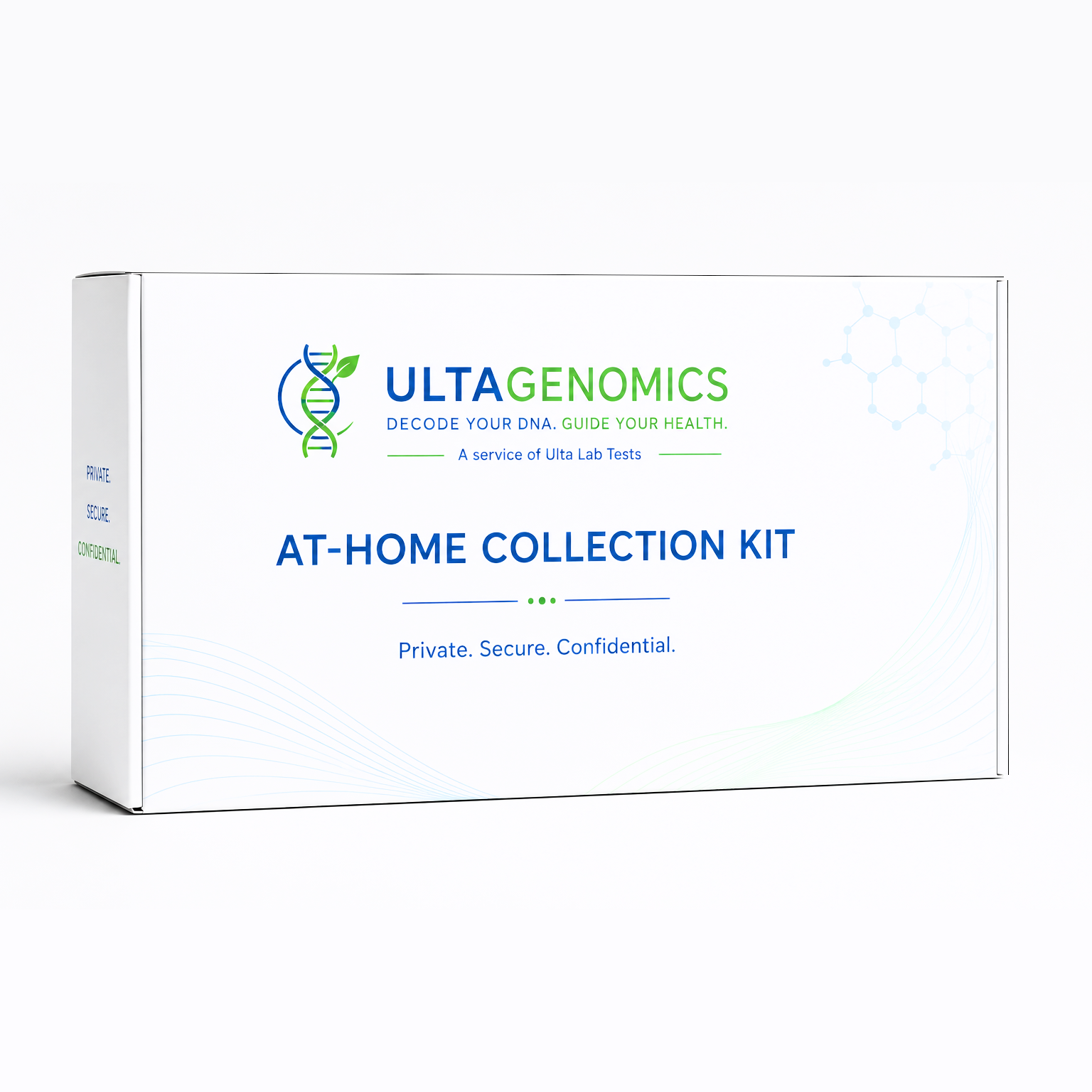 way to explore inherited differences as part of a broader conversation about focus and everyday wellness.
Attention is influenced by many factors, including sleep, stress, health conditions, medications, and daily habits. Genetic findings represent only one part of that picture.
This test does not diagnose or rule out ADHD, measure your attention span, or identify the cause of concentration difficulties. This report does not identify an appropriate medication, supplement, or treatment.
What Does the Focus and Attention Genetic Test Explore?
Caffeine Metabolism and Effects on Sleep
The report includes genetic associations related to caffeine metabolism and caffeine's effects on sleep. These findings may provide context for discussions about caffeine habits, but they do not establish a personalized safe dose or predict exactly how you will respond. Amount, timing, medications, and other factors also matter.
Sleep Quality
The report explores genetic associations involving deep sleep and self-reported sleep quality. These results do not measure your current sleep quality, record sleep stages, or diagnose insomnia or sleep apnea. Your sleep experiences and any persistent symptoms remain important regardless of the genetic result.
Sensitivity to Sleep Deprivation
This section describes genetic associations with responses to sleep loss. A result suggesting lower sensitivity does not mean that insufficient sleep is safe or that you need less sleep.
Omega-3 and Omega-6 Fatty Acid Metabolism
The report includes genetic associations involving omega-3 and omega-6 fatty acid metabolism. These findings do not measure fatty acid levels in your blood, diagnose a deficiency, or establish how much supplementation you need. Dietary intake, health history, and appropriate blood testing can provide additional context.
ADHD-Associated Genetic Traits
The report includes an ADHD-associated genetic category. This is educational information about selected genetic associations, not an ADHD screening or diagnostic result. A higher or lower category should not be interpreted as a validated personal probability of having or developing ADHD. ADHD evaluation requires a healthcare professional to assess symptoms, history, and their impact on daily life.
An ADHD-related category does not measure the number or severity of symptoms. A lower category cannot explain away concentration difficulties, and a higher category cannot establish that ADHD is present. Do not use these results to judge intelligence, school or work potential, or the need for treatment.
Who May Be Interested in This Test?
This test may interest people who want to:
- Learn about selected inherited traits related to sleep, caffeine response, and fatty acid metabolism.
- Explore genetic information alongside their existing health and wellness history.
- Bring questions about their report to a healthcare professional or genetic counselor.
If you are seeking an explanation for persistent distraction, mental fatigue, or difficulty completing daily tasks, a clinical evaluation is the appropriate starting point. Genetic wellness testing does not replace that assessment.
What Your Results Can and Cannot Tell You
Your report provides trait descriptions and interpretations of the genetic findings examined. Research associations describe patterns observed in groups; they do not determine an individual's abilities or future health. Evidence strength varies by trait, and findings may not apply equally across people with different genetic ancestries.
This test does not:
- Measure intelligence, learning ability, productivity, or current cognitive performance.
- Measure brain neurotransmitter levels, blood glucose, or current nutrient concentrations.
- Identify the best ADHD medication, medication dose, or supplement regimen.
- Guarantee that changing your diet, sleep habits, or supplement use will improve focus.
Before You Order
Review the sample report to understand the topics and level of detail you may receive. Read the consent and privacy information, including how your sample and genetic data may be stored, used, or shared. Ask about anything that is unclear before deciding whether the test fits your goals.
How At-Home Collection Works
- Order your test. The UltaGenomics collection kit is mailed to the address provided with your order.
- Collect your sample. Follow the kit's instructions for preparation, sample collection, labeling, and return.
- Review your report. Consider the results alongside your symptoms, health history, and everyday habits. A healthcare professional can help you understand their limitations and relevance.
This genetic test uses a home collection kit. Do not visit a patient service center to have the genetic sample collected. Follow the instructions supplied with your kit, including any restrictions before collection.
Complementary Lab Tests Available Through Ulta Lab Tests
Genetic findings and blood tests provide different information. Selected blood tests can assess current nutritional or medical factors that may be relevant when fatigue, poor sleep, or concentration concerns are present.
The following tests are available to order separately through Ulta Lab Tests. They are optional and are not included in the Focus and Attention Genetic Test. Choose testing based on your symptoms, diet, medical history, and guidance from a healthcare professional. Not everyone needs every test.
OmegaCheck Test
Measures omega-3 and omega-6 fatty acids in blood, including EPA, DHA, and DPA. This provides a measured fatty acid profile to discuss alongside the genetic report's fatty acid findings. It may be useful when reviewing dietary intake or monitoring a clinician-guided nutrition plan. It does not measure brain function or predict whether omega-3 supplements will improve attention.
Vitamin B12 Test
Measures vitamin B12 in blood. B12 supports nerve function and red blood cell production, and deficiency can cause fatigue and neurological symptoms. Testing may be appropriate with low dietary intake, absorption concerns, or compatible symptoms. A borderline result may require additional evaluation; the genetic report cannot establish your B12 status.
Ferritin Test
Measures ferritin, a protein used to assess the body's iron stores. Testing may help when fatigue occurs with heavy menstrual bleeding, low iron intake, or other iron-deficiency risk factors. Ferritin can also rise with inflammation, so results need clinical interpretation and sometimes additional iron studies. Do not begin iron supplementation solely because of a genetic finding.
Complete Blood Count with Differential and Platelets and CBC Test
Evaluates red blood cells, white blood cells, hemoglobin, hematocrit, and platelets. A CBC can help identify anemia and other blood-cell abnormalities during an evaluation of fatigue or reduced stamina. It does not determine the cause of every abnormal result, and a normal CBC does not exclude all nutrient deficiencies.
TSH Test with Reflex to Free T4
Measures thyroid-stimulating hormone first and adds free T4 testing when the result meets the laboratory's reflex criteria. This can help evaluate thyroid function when fatigue or concentration concerns accompany unexplained weight changes, temperature sensitivity, or changes in sleep. Additional charges apply if reflex testing is performed. Results require clinical interpretation.
These blood tests do not diagnose ADHD, measure attention, or confirm the genetic report's trait categories. They can help evaluate separate health questions when clinically appropriate. Follow the preparation and collection instructions for each test; blood-test collection is separate from your genetic kit.
Using Your Results Thoughtfully
Review genetic results in the context of how you feel and function. A result suggesting a favorable tendency should not override persistent symptoms, and a less favorable result does not determine your abilities or future health.
Your inherited DNA generally remains stable, so repeating this genetic test is not a way to monitor improvements in focus. Symptoms, sleep patterns, clinical assessments, and selected blood tests may be more useful for tracking changes over time.
If concentration problems persist, worsen, or interfere with work, school, relationships, or daily responsibilities, seek a healthcare evaluation. Sleep disorders, anxiety, depression, medication effects, and other health conditions can contribute to attention difficulties.
Explore your inherited traits with the UltaGenomics Focus and Attention Genetic Test, and use the report to support informed conversations about your health.